
The Malone MPG461KB MicroSport 2 Kayak Trailer is the top pick for most buyers seeking the best vehicle to haul kayaks and bikes, mainly because it gives outdoor gear its own towable platform. Rather than stacking long boats on a roof, this trailer keeps loading height manageable and leaves roof space for bikes or other cargo. Its dedicated kayak design fits regular lake trips and weekend outings.
This guide is for paddlers and cyclists who need one practical transport setup. The key factors are trailer size, carrying capacity, hitch compatibility, and corrosion-resistant materials. You should also check your vehicle’s towing limit and available storage space before buying. The five picks below are ranked with clear reasons and honest drawbacks for each, so you can match the trailer or carrier to your gear, vehicle, and usual trip length.
Quick Comparison
| # | Product | Best For | Price | |
|---|---|---|---|---|
| 1 | Malone MPG461KB MicroSport 2 Kayak Trailer | Tandem kayak haulers | ~$3000 | View → |
| 2 | Vertical RV Kayak Rack & Bike Carrier | RV travelers with bikes | ~$500 | View → |
| 3 | Ulticor Kayak Cart | Beach launch paddlers | ~$65 | View → |
| 4 | Codinter Kayak Cart | Budget kayak transport | ~$150 | View → |
| 5 | Swagman Roamer Cross Bars | Roof rack users | ~$201 | View → |
5 Top Vehicles for Kayaks and Bikes
This ranked list counts down to the top pick, with each vehicle judged for kayak and bike hauling practicality.
5. Swagman Roamer Cross Bars
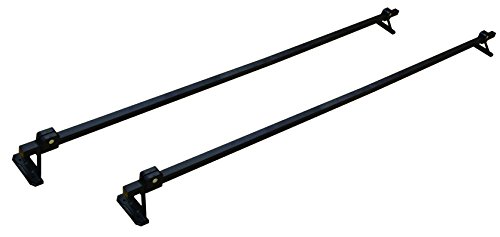
Best for: Pop-up campers carrying bikes and kayaks
The Swagman Roamer is an 84-inch crossbar system for pop-up trailers, tent trailers, truck canopies, tonneau covers, and other campers. It uses square steel bars with a black powder-coat finish, plus rubber mounting pads and bolt-down hardware. The design suits flat surfaces, so buyers need a compatible mounting area before ordering.
What stands out is the flexible setup. You can cut the bars to fit a narrower roof, then add clamp-on bike, kayak, or cargo carriers. The rack supports up to 75 pounds, with listed capacity for as many as four mountain bikes or two kayaks. It can also support a solar panel installation on some campers. At around $201, it costs less than many complete carrier systems, but the bars are only part of the setup. Carriers and tie-downs may cost extra.
Pros
- 84-inch bars fit many trailers, campers, canopies, and tonneau covers.
- Steel construction and a black powder coat provide a solid mounting base with rust and corrosion resistance.
- A 75-pound capacity can handle bikes, kayaks, or other light cargo.
Cons
- The 75-pound limit restricts heavier gear and requires careful calculation of carrier and cargo weight.
- Installation is not fully vehicle-specific. Buyers may need to measure, drill, cut the bars, and confirm that their camper roof can support the load.
4. Codinter Kayak Cart

Best for: Owners hauling large kayaks across sand
The Codinter Kayak Cart is a beach-focused dolly for moving kayaks, canoes, and stand-up paddleboards from a vehicle to the water. It uses two 12-inch inflatable balloon wheels, which spread weight across soft sand better than narrow tires. The frame uses anodized aluminum parallel bars and supports up to 330 pounds, while the cart itself weighs 15 pounds. At around $150, it costs more than simple kayak carts, but its larger wheels and higher capacity target heavier watercraft.
A key feature is the adjustable frame width, which moves from 5.5 to 16.5 inches. That range lets owners position the support under different hull shapes and adjust the load’s balance. A kickstand keeps the dolly upright during loading, and two cinch straps help hold the boat in place. The cart also breaks down into smaller parts for storage or transport. Still, this design suits sandy shorelines best. The inflatable wheels need proper air pressure, and their tubes can be damaged by sharp rocks, shells, or rough ground.
Pros
- 12-inch balloon wheels are better suited to soft sand than small, narrow tires.
- A 330-pound capacity handles large kayaks, canoes, and paddleboards.
- Adjustable 5.5-to-16.5-inch width supports different hull shapes.
Cons
- Inflatable wheels require occasional air checks and can puncture.
- At 15 pounds, this cart is not the lightest option for long carries.
3. Ulticor Kayak Cart

Best for: Kayak owners needing compact transport
The Ulticor Kayak Cart is a transport carrier for kayaks and canoes. It supports watercraft up to 120 kg, or 260 pounds, and fits various hull sizes and shapes. Puncture-free wheels handle mixed terrain without air-pressure checks or flat tires. A snap-and-lock kickstand helps keep the cart upright during loading. Its frame combines reinforced composite plastic, stainless-steel-reinforced axles, and thermoplastic elastomer hull pads.
An adjustable strap holds the hull in place, while the toggle lock adds another securing point on uneven paths. The cart weighs 10 pounds, or 4.3 kg, and comes apart within seconds without tools. That makes it easier to place in a vehicle or store between trips. At around $65, it offers useful capacity without taking up much space. Buyers should still confirm that their hull shape works well with the pad placement.
Pros
- Supports kayaks and canoes up to 120 kg, or 260 pounds.
- Puncture-free wheels remove the need for tire repairs or inflation.
- Tool-free assembly and disassembly make storage easier.
Cons
- A 10-pound cart adds noticeable weight to a loaded transport setup.
- Adjustable straps and hull pads may need careful positioning for different kayak shapes.
2. Vertical RV Kayak Rack & Bike Carrier

Best for: RV owners carrying boats and bikes
This vertical carrier mounts into a standard 2-inch hitch receiver and is designed to carry two kayaks up to 12 feet long, plus two bicycles. Its 300-pound rated capacity gives it room for a full outdoor setup, but the combined weight of all gear still needs checking before loading. The rack is intended for trucks, SUVs, and RVs with the right hitch size.
The main draw is its upright layout. Kayaks and bikes occupy less horizontal space than gear strapped across a roof, which can help preserve roof access and cargo room. A steel frame with a rust-resistant coating suits outdoor storage and regular road trips, though weather exposure can still cause wear over time. The carrier is also designed for removal when you do not need it. At around $500, it is a sizable purchase, so it makes the most sense for owners who regularly transport several types of equipment.
Pros
- Carries up to two 12-foot kayaks and two bikes in one setup.
- 300-pound capacity supports a substantial load of outdoor equipment.
- Fits vehicles with a 2-inch hitch receiver and can be removed between trips.
Cons
- Only works with vehicles that have a compatible 2-inch hitch receiver.
- Loading long kayaks and bikes vertically may require two people, especially at full capacity.
1. Malone MPG461KB MicroSport 2 Kayak Trailer

Best for: Families hauling kayaks and bikes
The Malone MPG461KB MicroSport is a multi-sport trailer built for two kayaks and two bicycles. Its marine-grade galvanized steel frame resists rust, and the fully submersible design suits launches where the trailer enters the water. The trailer supports up to 800 pounds total, with enough length for kayaks up to 20 feet. At around $3,000, it targets buyers who need one dedicated setup for regular paddling and cycling trips.
Two J-style kayak carriers hold the boats on their sides, while the 65-inch curved tray rack secures two bikes. That layout keeps both activities on one trailer instead of requiring separate trips or roof equipment. The included spare tire uses lockable attachment hardware, and pre-assembled hubs reduce some installation work. Still, buyers should check the combined weight of kayaks, bikes, and accessories before loading. The capacity applies to everything carried, not just the watercraft.
Pros
- Galvanized steel construction offers better rust resistance around wet launch areas.
- Carries two kayaks and two bikes in one setup.
- Lockable spare-tire hardware adds a secure backup during transport.
Cons
- The 800-pound limit can disappear quickly with heavy kayaks, bikes, and gear.
- Around $3,000 is a major purchase, and the 20-foot trailer needs substantial storage space.
Buying Guide
The key factor is total carrying capacity, not just passenger seating. A suitable vehicle must support the racks, kayaks, bikes, passengers, and camping gear without exceeding its limits.
- Payload rating: Choose at least 1,200 pounds of payload for two adults, two bikes, two kayaks, racks, and luggage. Subtract passengers and cargo from the listed rating.
- Roof capacity: Confirm the dynamic roof limit, often 100 to 165 pounds, and include the rack’s weight. Two fishing kayaks can weigh 80 to 120 pounds before loading gear.
- Hitch setup: Look for a factory or aftermarket 2-inch receiver rated for a four-bike platform rack. Check tongue weight, since some loaded racks require 100 pounds or more.
- Cargo flexibility: An SUV or minivan with fold-flat seats should provide at least 70 cubic feet for paddles, life jackets, helmets, and dry bags. A pickup needs a 6-foot bed for easier bike transport.
- Access and clearance: Measure garage height with the roof rack installed. A vehicle below 75 inches may fit more garages, while all-wheel drive and 8 inches or more of ground clearance help on gravel launch roads.
If you cannot have everything, prioritize payload and rack compatibility before interior space or off-road features.
Frequently Asked Questions
How do I choose a vehicle to haul kayaks and bikes?
The best vehicle for hauling kayaks and bikes is a midsize SUV with roof-rail capacity, rear cargo space, and enough towing power for a utility trailer. Look for factory-rated roof loads of at least 150 pounds, then subtract the rack and kayak weights before loading.
What features should a kayak and bike hauler have?
A good kayak-and-bike hauler should have strong roof rails, wide rear access, and enough cabin length for loose gear or folded bikes. A vehicle with 60/40 split-fold seats and a roof rating near 165 pounds can carry paddles, helmets, dry bags, and other equipment more easily.
Can a minivan carry kayaks and bicycles?
Yes, a minivan can haul kayaks and bikes when fitted with a properly rated roof rack or hitch carrier. Its low lift height helps with loading, while a 2-inch receiver can support many four-bike racks, subject to the van’s tongue-weight and carrier limits.
Are pickup trucks good for transporting kayaks and bikes?
Pickup trucks are practical for kayaks and bikes, especially when you need an open bed for wet gear and a hitch for a bike rack. A six-foot bed can hold paddles and helmets, but kayaks usually need a roof system, bed extender, or dedicated trailer for safe support.
Conclusion
Malone MPG461KB MicroSport 2 Kayak Trailer is the strongest choice for paddlers who need to transport two kayaks and want a compact, towable setup for regular weekend trips. If your priority is carrying bikes, camping gear, or several kayaks in one load, pick a full-size pickup or SUV with a factory-rated hitch and enough roof or bed capacity instead. Before buying, double-check the trailer’s kayak size limits, your vehicle’s hitch and towing compatibility, the number of kayaks and bikes you need to carry, and the current price, since included racks and accessories can vary between sellers. A careful match helps prevent overloaded gear, poor clearance, and expensive add-ons after purchase.

