
For shoppers seeking the best wood for canoe yoke, Motionchic 40-Inch Canoe Carrying Yoke is the top pick for most buyers because its 40-inch design fits many common canoe setups. It offers a straightforward way to carry a canoe during portages, making it a practical choice for recreational paddlers who want a dedicated yoke.
This guide is for canoe owners choosing a replacement or first carrying yoke. The key factors are overall size, material, padding, and mounting fit. A yoke must match the canoe’s width and attachment points, while its material affects weight, strength, and comfort over longer carries. The 7 picks below are ranked with clear reasons and honest drawbacks for each, so you can compare basic utility with comfort and fit.
Quick Comparison
| # | Product | Best For | Price | |
|---|---|---|---|---|
| 1 | Motionchic 40-Inch Canoe Carrying Yoke | Paddlers needing a 40-inch yoke | ~$39 | View → |
| 2 | DoubleFill 36-Inch Canoe Yoke | Compact canoe portage setups | ~$62 | View → |
| 3 | Old Town Canoe 35-Inch Carrying Yoke | Old Town canoe replacement buyers | ~$26 | View → |
| 4 | Kenco Outfitters 39" Canoe Yoke | Canoeists wanting a 39-inch yoke | ~$45 | View → |
| 5 | Old Town Carrying Yoke | Owners replacing an Old Town yoke | ~$50 | View → |
| 6 | Kenco Outfitters 45" Canoe Yoke | Wider canoes needing a 45-inch span | ~$59 | View → |
| 7 | Old Town 36-Inch Canoe Carrying Yoke | 36-inch Old Town yoke shoppers | ~$76 | View → |
7 Best Woods for a Canoe Yoke
These wood choices are ranked by strength, weight, comfort, and durability, counting down to the top pick.
7. Old Town 36-Inch Canoe Carrying Yoke

Best for: Old Town canoe owners replacing a worn yoke
This 36-inch carrying yoke is made for an Old Town canoe. It uses American ash with a clear finish, so the wood grain remains visible beneath a simple surface finish. The 36-inch span gives buyers a defined replacement size instead of a one-size-fits-most part. At around $76, it may suit owners who want a wood yoke without ordering a custom component.
The material is the main draw. American ash has the traditional look many canoe owners expect, while the clear finish makes scratches, dents, and worn areas easier to spot. Still, buyers should confirm the canoe and mounting layout before ordering. This part does not include mounting hardware. If the old bolts or brackets are missing, you will need to source replacements separately. That can add cost and delay installation, and the correct fastener size depends on the canoe’s existing setup.
Pros
- The 36-inch length provides a clear replacement size.
- American ash gives the yoke a natural wood appearance.
- The clear finish keeps the grain visible and surface wear easier to inspect.
Cons
- Mounting hardware is not included, so separate bolts or brackets may be needed.
- The fixed 36-inch size may not suit every canoe, so check dimensions and hole placement first.
6. Kenco Outfitters 45″ Canoe Yoke

Best for: Canoe owners planning regular portages
This 45-inch canoe yoke replaces or upgrades the center carrying bar on a compatible canoe. It uses solid ash, a strong hardwood suited to the load placed across the canoe’s mid-point. A clear polyurethane finish protects the wood while leaving its natural grain visible. Each yoke is handcrafted in the United States, which may appeal to buyers who prefer domestically made canoe hardware.
The wider shape gives your shoulders more contact area than a narrow carrying bar, helping spread pressure during a portage. That design matters most when carrying a loaded canoe over longer trails. The yoke also adds stiffness at the canoe’s center, where flex can make lifting feel less controlled. At around $59, it sits in the mid-range for a replacement yoke, though the final cost can change. Buyers should confirm the 45-inch length and mounting layout match their canoe before ordering.
Pros
- Solid ash construction provides a rigid, durable center support.
- A wider profile spreads weight across more shoulder area.
- Clear polyurethane protects the finish while showing the wood grain.
Cons
- It may require drilling or modified hardware if the mounting holes do not match your canoe.
- The clear finish can show scratches and wear from frequent portages.
5. Old Town Carrying Yoke

Best for: Old Town canoe owners needing shoulder support
The Old Town Canoe 38-inch Carrying Yoke is an accessory designed to make carrying a canoe easier. Its 38-inch length gives buyers a clear size reference before ordering, which helps when checking the space between a canoe’s gunwales. At around $50, it sits in the lower-cost range for a dedicated canoe-carrying accessory, though prices can change.
The main appeal is its simple, focused purpose. A carrying yoke can spread some of a canoe’s weight across the shoulders instead of forcing one person to grip the hull from the sides. The 38-inch span may work well with compatible Old Town canoes, but buyers should compare that measurement with their boat before purchase. The available details do not list the yoke’s material, padding, mounting hardware, or adjustment range. That missing information matters for comfort and installation. It is best viewed as a basic replacement or add-on, not a highly adjustable carrying system. Check the canoe model and included hardware before ordering.
Pros
- 38-inch length provides a specific fit measurement for shoppers.
- Dedicated yoke design can make canoe portages easier to manage.
- Around $50 keeps the accessory relatively affordable.
Cons
- The fixed 38-inch size may not fit every canoe or paddler.
- Material, padding, adjustment options, and included hardware are not specified.
4. Kenco Outfitters 39″ Canoe Yoke

Best for: Canoe owners replacing a worn center yoke
The Kenco Outfitters 39-inch Canoe Yoke is a replacement carrying bar for the canoe’s center point. Its solid ash construction adds rigidity across the hull, which can help support the canoe during portages. The 39-inch length suits many standard canoe layouts, but buyers should compare the measurement with their existing yoke and mounting points before ordering.
A clear polyurethane finish protects the wood while keeping the ash’s natural appearance visible. The wider shape spreads pressure across more of your shoulders than a narrow crossbar, making longer carries more manageable. This yoke is handcrafted in the United States, a detail that may appeal to buyers who prefer domestically made replacement parts. At around $45, it costs less than many complete yoke-and-hardware setups, though the listing does not indicate that mounting hardware is included. The yoke itself provides the main structural piece, so installation may require reusing bolts or buying compatible hardware separately.
Pros
- Solid ash gives the center of the canoe added strength and rigidity.
- The wider profile distributes shoulder pressure during portages.
- Clear polyurethane protects the wood and shows its natural grain.
Cons
- The fixed 39-inch size may not fit every canoe or existing mounting layout.
- Hardware is not listed as included, so installation may require separate bolts or brackets.
3. Old Town Canoe 35-Inch Carrying Yoke

Best for: Canoe owners needing shoulder support
The Old Town Canoe 35″ Stained Carrying Yoke is a crossbar accessory designed to make carrying a canoe more manageable between the water and your vehicle. Its 35-inch length gives it a defined fit and carrying position, rather than a one-size-fits-all design. The stained finish also gives the piece a traditional wood-look appearance that suits many canoe setups.
What stands out is its simple, focused design. This is a dedicated carrying aid, not a large accessory system with extra parts to manage. At around $26, it costs less than many larger canoe upgrades, although the final price can vary by seller. The main buying question is fit. A 35-inch yoke may work well for one canoe but feel awkward on another, so check your canoe’s thwart spacing and mounting points before ordering. Buyers should also confirm whether the necessary mounting hardware is included, since the listed product details do not specify that.
Pros
- 35-inch length provides a defined carrying position for compatible canoes.
- Stained finish gives the yoke a classic wood appearance.
- Around $26, it offers a relatively low-cost way to add a dedicated carrying aid.
Cons
- Fixed 35-inch size may not fit every canoe or suit every paddler’s preferred balance point.
- Hardware and mounting details are unclear, so buyers may need to confirm included parts before purchase.
2. DoubleFill 36-Inch Canoe Yoke
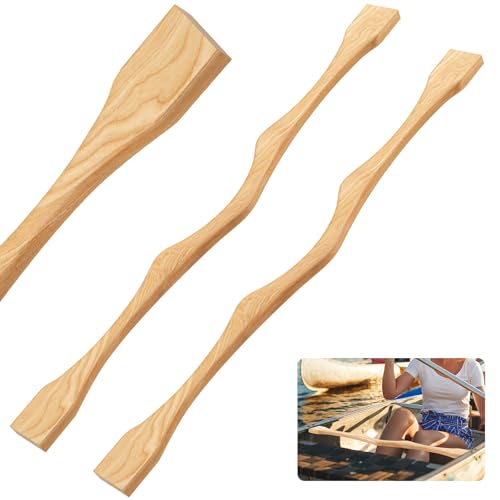
Best for: Canoe owners needing spare yokes
The DoubleFill set includes two clear-finish ash wood canoe yokes, each measuring about 36 inches long, 3 inches wide, and 0.9 inches thick. That size should suit many standard canoe layouts, but the final fit depends on the boat’s gunwale spacing and existing hardware. At around $62 for the pair, it offers a practical way to keep a replacement on hand or split the cost with another paddler.
Its broad shape is the main comfort feature. A wider contact area can spread canoe weight across the neck and shoulders better than a narrow crosspiece, which may help during portages. Ash provides solid wood construction for regular use, and the clear finish keeps the grain visible. Still, these are not ready to install: neither yoke has pre-drilled holes or mounting hardware. Buyers must measure carefully, drill their own holes, and source suitable bolts or clamps. That setup allows more control over placement, but it adds time and tools before the first carry.
Pros
- Two yokes provide a spare, replacement, or shared second unit.
- 36-by-3-inch dimensions fit many canoe setups and allow custom positioning.
- Wide ash construction can spread load across the neck and shoulders.
Cons
- No pre-drilled holes or installation hardware are included.
- Compatibility is not universal, so buyers must confirm spacing and mounting needs.
1. Motionchic 40-Inch Canoe Carrying Yoke

Best for: canoe owners replacing a center yoke
The Motionchic canoe yoke is a 40-inch, or 101.6-centimeter, crossbeam made from straight-grained rubberwood. Its clear varnish protects the wood surface, while the one-piece design provides a simple replacement for a worn or missing center yoke. The length should fit many standard canoes, but unusual hull widths may require careful measuring before purchase. At around $39, it offers a lower-cost way to refresh an older carrying setup.
The curved shoulder section is the main draw. Its broad, grooved shape spreads pressure across the shoulders better than a flat beam. An open center leaves room for the head when carrying the canoe upside down. Mounted near the hull’s center of gravity, the yoke can also help balance the load during portages, lake crossings, and short off-road carries. Still, comfort depends on correct placement and the canoe’s total weight. The varnished finish also gives the rubberwood a traditional appearance and a smoother surface for regular outdoor use.
Pros
- 40-inch length fits many standard canoe layouts.
- Curved, grooved shoulder area reduces concentrated pressure.
- Open center helps prevent the hull from contacting the head.
Cons
- It may not fit unusually wide or nonstandard canoe hulls.
- The single-piece yoke may require compatible mounting points and installation work.
Buying Guide
The most important factor is strength-to-weight ratio. A yoke must carry a loaded canoe without adding unnecessary weight, while resisting bending across the shoulders.
- Wood species: Ash offers high toughness and springiness. Cherry is stable and easy to shape. Walnut is strong but heavier and often costs more. Avoid soft pine for a load-bearing yoke.
- Board thickness: Start with stock about 1 to 1¼ inches thick and 8 to 10 inches wide. Final dimensions depend on the yoke pattern, canoe width, and carving depth.
- Grain direction: Choose straight, continuous grain running the full yoke length. Reject boards with knots, checks, or cross-grain sections near bolt holes and shoulder curves.
- Moisture content: Look for kiln-dried lumber near 6 to 10 percent moisture content. Let new wood acclimate indoors for 7 to 14 days before cutting.
- Weight and price: Compare finished weight, not just board weight. Hardwood material often costs $30 to $100, while premium figured boards can cost much more.
If you must compromise, prioritize straight-grained, tough wood over color, figure, or the lowest price.
Frequently Asked Questions
How do I choose wood for a canoe yoke?
Clear, straight-grained ash is the best all-around choice for a canoe yoke because it combines strength, moderate weight, and some flexibility. Look for stock without knots, checks, or runout near the shoulders. A yoke blank around 1 1/4 to 1 1/2 inches thick gives room for shaping, though the canoe’s design should set the final size.
What wood makes the most comfortable canoe carrying yoke?
Choose cherry or walnut when comfort and appearance matter more than the lowest weight, since both work well for a properly sized yoke. Cherry often weighs less than walnut, while walnut provides a darker finish. Sand the contact edges through 180 to 220 grit, then round every area that touches your neck or shoulders.
Can I use oak for a canoe yoke?
Yes, white oak can make a durable canoe yoke, but its extra weight may matter on longer carries. Choose quarter-sawn or straight-grained boards, and seal every face and end grain against moisture. A finished oak yoke can weigh several ounces more than a similar ash piece, depending on its length and thickness.
Are laminated wood yokes stronger than solid wood ones?
No, laminated yokes are not automatically stronger than solid ones, though they can be strong and dimensionally stable. Use two or three straight-grained strips with waterproof adhesive, then clamp them evenly so no gaps remain. Keep the glue line outside the carved shoulder area when possible, where repeated pressure can stress the joint.
Conclusion
Motionchic 40-Inch Canoe Carrying Yoke is the top pick for paddlers who want a straightforward, full-size yoke for regular portage trips. If your priority is lower weight or a different fit, choose a lighter or adjustable alternative that matches your canoe’s seats and gunwales instead. Before buying, double-check the yoke’s size, compatibility with your canoe, package quantity, and current price, since listings can change. A 40-inch span may suit many solo and tandem canoes, but it is not automatically right for every hull. Also confirm the included pads, hardware, and mounting method. A secure fit matters more than a small price difference when carrying a loaded canoe over uneven ground.

